
In April 2025, my skin glistened as I sat in a crowded waiting room. It was my first time visiting this obgyn office so my nervous system was already on high alert. Their air conditioning woes and the warm Texas spring day did little to ease my mind.
I had dreaded this appointment for weeks. Mirena, an IUD form of birth control, had been a godsend since age 40. The device must be changed out periodically and the “swap”, as my friend group called it, was no picnic.
My reaction to the initial procedure warranted a Xanax for my first replacement five years later. This new office had not complied with that request, and my anticipation of a vasovagal response all but guaranteed I would have one.
This time, there would be no exchange. As my fiftieth birthday neared, I decided to removed the small device and let Mother Nature take the reins. My online yoga community had been discussing menstrual cycles for years. All the while, I felt like an outsider. My periods stopped completely with Mirena, so I hadn’t bled in a decade.
Undressed, the paper sticking to me with a combination of nervous cold sweat and my body’s response to the stuffy office air, I mentally reviewed this decision.
I knew I was perimenopausal.
Hot flashes were a common evening occurence, typically striking at 8 PM and recurring as soon as I slid under the covers at ten. I quickly acclimated to the routine: ceiling fan on, one leg out from beneath the blankets.
Brain fog clouded my mind on many days, the memory lapses a laughable sign of aging among my girlfriends. The gaps were innocuous then, chalked up to my busy schedule that included a full-time job and yoga studio ownership.
I was curious to know what would happen without birth control. The hot flashes had slowed in recent weeks and I wondered if I had gone through “the change.” My mother had a hysterectomy in her thirties, so I was a lonely traveler for our lineage in this new season of womanhood.
The doctor, a stranger to me, discussed my options with clinical expertise. “You know, the Mirena is now proven to be effective for up to eight years. You don’t have to remove it today.”
She informed me that hormone regulation provided by the device could prove useful in minimizing perimenopausal symptoms. I weighed that with my conviction to let my cervix breathe after ten years.
“Tempting,” I told her, but my mind was made up. Though surprised, the doctor agreed that regret would be a far worse outcome than a few night sweats.
I’m thankful that I listened to my body that day. There were complications with the removal. Though brief, I endured a level of pain I can only assume rivaled childbirth. The doctor was bewildered that the routine extraction was anything but. I praised Mother Nature for her guidance.
The Crash

The ensuing weeks were surprisingly normal. My hairdresser clued me in on the “Mirena crash” months before my appointment. I expected an immediate reaction - a Jekyll and Hyde transformation. Instead, the changes crept in slowly, imperceptibly.
It started with mood swings. Erratic responses to my husband’s immature sense of humor. Road rage, which I thought I mastered in early 12-step recovery. An irrational annoyance with my coworkers.
Mood swings gave way to impulsivity. I waffled on my desire to sell our beloved Hamilton, Texas acreage, a homestead we’d built from the ground up. It left our renters in a wake of uncertainty.
I looked at houses near my yoga studio, fixating on a fixer-upper that surely held the key to our happiness: a new home for our renters and an escape hatch for me when I needed “me time”. When it went under contract with someone else, I bawled.
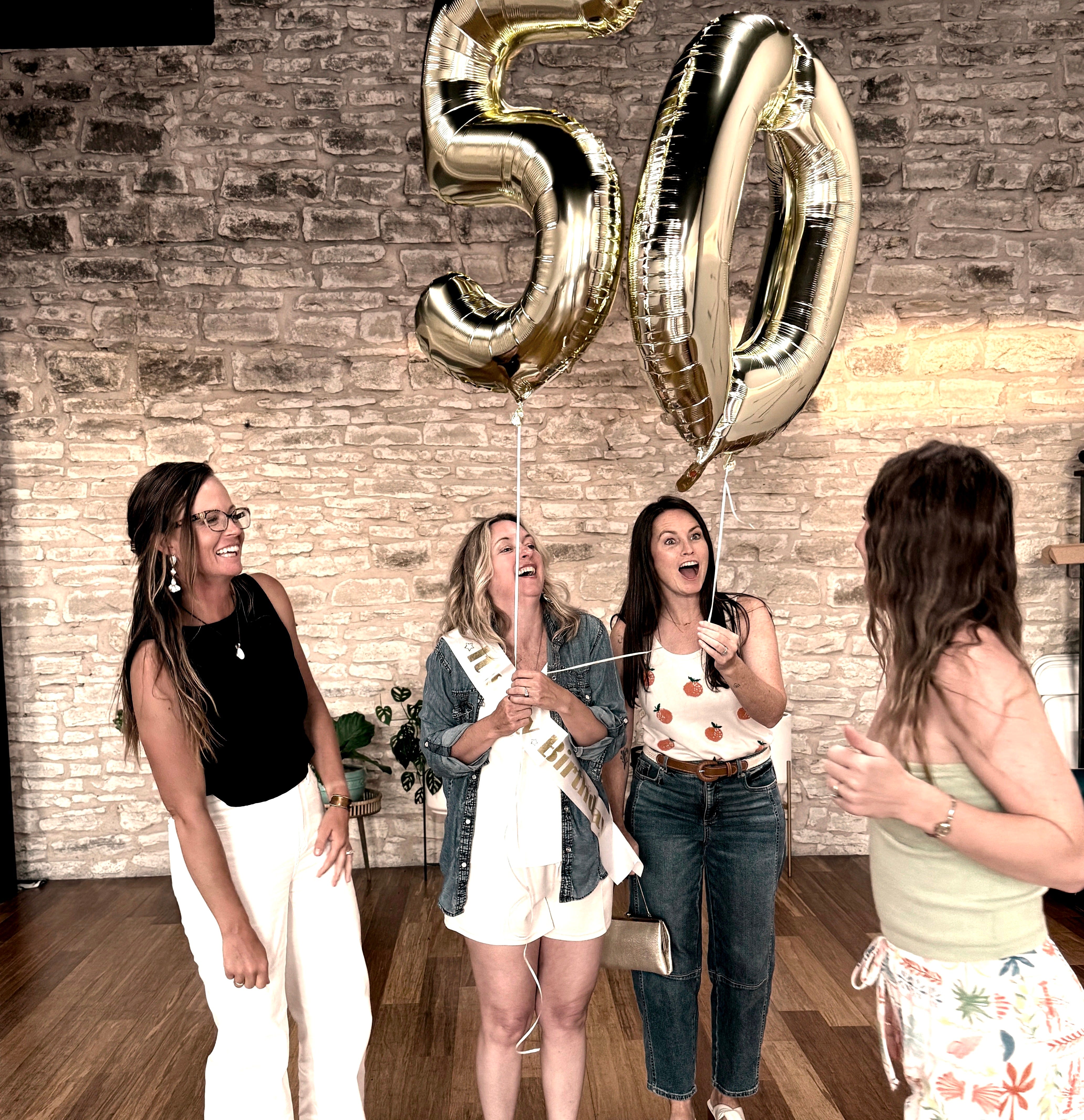
My fiftieth birthday was a tipping point. My husband drank excessively that night. An offputting joke at the dinner table - the kind that made everyone gasp and glance in my direction to gauge my reaction - mortified me. The following week, I sobbed as I shared with one of those friends that I was considering a split.
At the same time, work was a pressure cooker. Tariffs made for a tumultous year in manufacturing and team morale was in the toilet. My eternal optimism bordered on toxic positivity, so I adjusted my approach to realism.
It took the wind out of my sails, and my company noticed. I was reprimanded for the amount of (unlimited) vacation days I had taken. In my mind, supporting my personal passion projects while taking mental health days to combat stress were the key to work-life balance.
In hindsight, I wasn’t balancing anything.
As my doctor would state in a report formally diagnosing me with ADHD, “Christy’s intelligence allows her to hold many spinning plates at once,
but this mental juggling act fuels anxiety and drains the energy needed for
execution.”
More Than Menopause
The fourth quarter of 2025 was a blur. We officially sold our Hamilton property, the proceeds more than enough to justify a year-long sabbatical. In a much better place with my marriage, my husband and I had several deep conversations on the matter. Although nervous, he reluctantly agreed to my career break.
I gave notice at my job in October. With genuine regard for my boss, I stayed through late November to ease the transition. My Corporate Exit was a milestone written in my personal roadmap for years. It’s arrival felt surreal.
On a whim, I launched a podcast called Rock the Damn Boat to document this transition. I updated my coaching curriculum and began to sign clients for a January launch. I was sad to close my yoga studio, an unexpected decision based on months of declining business, but I knew I was creating space for new endeavors.
I thought, amidst all of this positive change, that my stress level would normalize, making the previous impulsivity and moodiness a thing of the past.
Instead, I found myself leaving the trash bin drawer open all day after taking out the bag. I left laundry in the washer for hours on end.
I would forget to eat lunch, or more often, intentionally skip it because it didn’t fit into my new ambitious schedule. I was drinking coffee with the fervor of my drinking days.
Conversations with my husband were complete voids, something I hadn’t experienced since my drunken blackouts. “I don’t remember us talking about that” was a phrase steeped in shame.
A daily deluge of entrepreneurial business ideas crowded my busy brain. I tried to tap into my previous strategic thinking skills to lead my mighty team of one, but I was paralyzed. Even my previous obsession with Personal Kanban failed me, the brightly colored Post-it’s on my corkboard mocking me as they failed to move to “Complete”.
Soon, creativity gave way to a jumbled mess of thoughts. A hair appointment I intended to cancel cost me the full amount of the service when I missed it. I received a telehealth bill for $95, rather than my $25 copay, because I finally looked at the clock thirty minutes past the appointment time.
These once laughable memory lapses were no longer funny, they were costly.
Late Answers
It was no coincidence that the algorithm was serving me a constant stream of neurodivergent content. My husband grew weary of my incessant self-diagnosis. I began listening to Late Bloomers, sharing an episode with him to normalize my stream of consciousness entrepreneurial spirit (which at one point, of course, included launching a couples podcast).
My medication manager, treating me for my longstanding General Anxiety Disorder diagnosis, assured me my symptoms were all menopause-related: “It’s like every woman your age is reading from a script,” she said smugly.
That passed muster for a while, but after forking over $230 of forgetfulness funding, I knew in my bones that there was more at play.
Little clues emerged from the cobwebbed corners of my brain. An adult-onset ADD commercial from the previous decade. Wentworth Miller’s public announcement of his autism diagnosis in 2021. A family friend who took her own life when I was too young to comprehend the explanation that she was “struggling with hormones”.
I wanted it to be as simple as hormones. HRT is readily available these days and has made a world of difference for friends. But as someone who has revisited journals written in puberty, when my fluctuating hormones led to suicide attempts and phrases like “I’m not worth it”, I couldn’t leave anything to chance.
Referrals from ADHD-diagnosed friends all involved private practices that didn’t take insurance. Thankfully, Google led me to one who did. I made the appointment, completed twenty online questionnaires, and drove my racing mind an hour north to Fort Worth a week later.
The tests were exhausting and nothing like I expected. At times, my eyes welled up from both exhaustion and shame. My perfectionism was in high gear. I left the office and cocooned for the rest of the day.
Yesterday, I received a 26-page document outlining my test results and concluding with two diagnostic codes: General Anxiety Disorder and ADHD, predominantly inattentive.
I recognize that ADHD is primarily diagnosed by self-proclaimed degrees of focus and attention. Combined with an hour-long interview with a professional, however, I believe the questionnaires and battery of psychological tests resulted in the correct conclusion.
I have no doubt that estrogen’s slow departure from my endocrine system has affected my mood and my memory. Science continues to help us understand this complex change. However, science, along with sociology, also helps us recognize mental health patterns that once went undetected. They know more now about brain function than they did in 1980.
I look back at patterns in my life and see how modern interpretations of ADHD behavior were present: self-criticism, perfectionism, overachieving. I also know my mental health didn’t wake me up at night, having sweat through the sheets. It’s a both-and scenario.
Herein lies the mystery: did my IUD removal, and the subsequent absence of artificial hormones, unlock latent symptoms of my ADHD? Or did these menopausal symptoms lead me down the path to a coincidental adult diagnosis of a lifelong condition?
The answer matters far less to me than the awareness I now possess. I started hormone replacement therapy six weeks ago and a non-stimulating ADHD medication last night. Combined with new therapy formats and a ramp-up in my well-established mindfulness practices, I’m ready for the next chapter.
I look back at everything I have accomplished in my life, especially in the eight years I’ve been sober. My sobriety in itself is a worthy feat knowing I combat anxiety and ADHD daily and no longer soothe it with booze.
If my methods of organization need to change or I need to keep less irons in the fire, I am open to that. I know I have another book in me, that the podcast conversations I’m bringing to the world are necessary, and that I’m excited to spend next weekend on retreat with a dozen ladies inspired by my leadership.
At times, I worry my mental health and behavior last summer led to a premature exit from a lucrative corporate career. Armed with newfound knowledge, the answer is clear. Experience fuels leadership and inspires others. I didn’t leave, I leveled up.
Oh Christy- this was beautiful. I am so glad you shared this and you are SO not alone 🤍
I feel this deeply. My ADHD was managed until the peri kicked into high gear and blew the lid off the container. Peri is one wild ride.